How Much Do Roof Repairs Cost in Cambridgeshire? 2026 Price Guide
Published by City Roofing Repairs | Cambridge, Cambridgeshire
Noticing a damp patch on your ceiling or spotting a slipped tile after a storm is an immediate source of stress for any homeowner. The first question you will naturally ask is: how much is this going to cost to fix?
Because every roof structural layout is unique, roofing costs vary based on the extent of the damage, the materials involved, and property accessibility. However, having an upfront, realistic breakdown of market rates helps you budget effectively and spot unfair quotes.
As an established local roofing contractor, City Roofing Repairs has compiled this definitive 2026 price guide to help homeowners across Cambridge, Huntingdon, and St Ives understand average market rates for everything from quick leak fixes to complete structural replacements.
Quick Price Guide
Here are typical costs for the most common roof repairs we carry out across Cambridge, Huntingdon, Ely, Newmarket, Bury St Edmunds, and St Neots. All prices include labour, materials, and VAT.
Replacing a few slipped or broken tiles: £150–£350 Straightforward access, a handful of tiles, usually completed in a couple of hours.
Ridge tile repointing or replacement: £250–£500 Depends on how many ridge tiles need attention and whether the existing mortar has failed along the full ridge line or just in sections.
Roof leak repair (single source): £200–£500 Locating the leak and fixing it — could be a cracked tile, failed flashing, or damaged felt. Cost depends on what's causing it and how accessible it is.
Flashing replacement (chimney or wall): £350–£1,200 Lead flashing around chimneys and where roofs meet walls. Cost depends on the type of flashing (step, apron, back gutter) and chimney size.
Valley repair or replacement: £400–£1,000 Lead or fibreglass valley liners that channel water between two roof slopes. Valleys are a common leak point and replacement is usually the most reliable fix.
Storm damage repairs: £300–£2,500+ Varies enormously depending on the extent of damage. A few blown tiles at the lower end, widespread damage requiring structural work at the higher end. Insurance may cover this.
Flat roof repair (patch or re-seal): £200–£600 For localised repairs to felt, GRP, or EPDM flat roofs. If the flat roof is failing across the whole area, replacement is usually more cost-effective — typically £1,500–£4,000.
Chimney repointing: £300–£900 Depends on chimney size and the extent of mortar deterioration. Includes scaffolding if needed.
Understanding Key Cost Factors
When a professional surveyor inspects a pitched or flat roof issue, they evaluate several variables to determine the final quotation:
1. Material Choices:
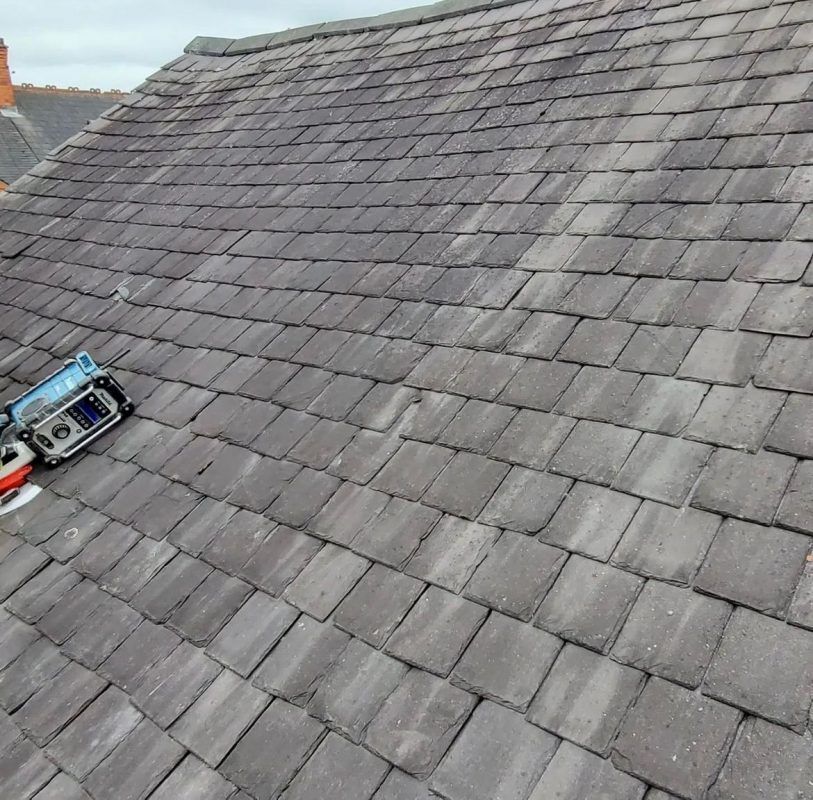
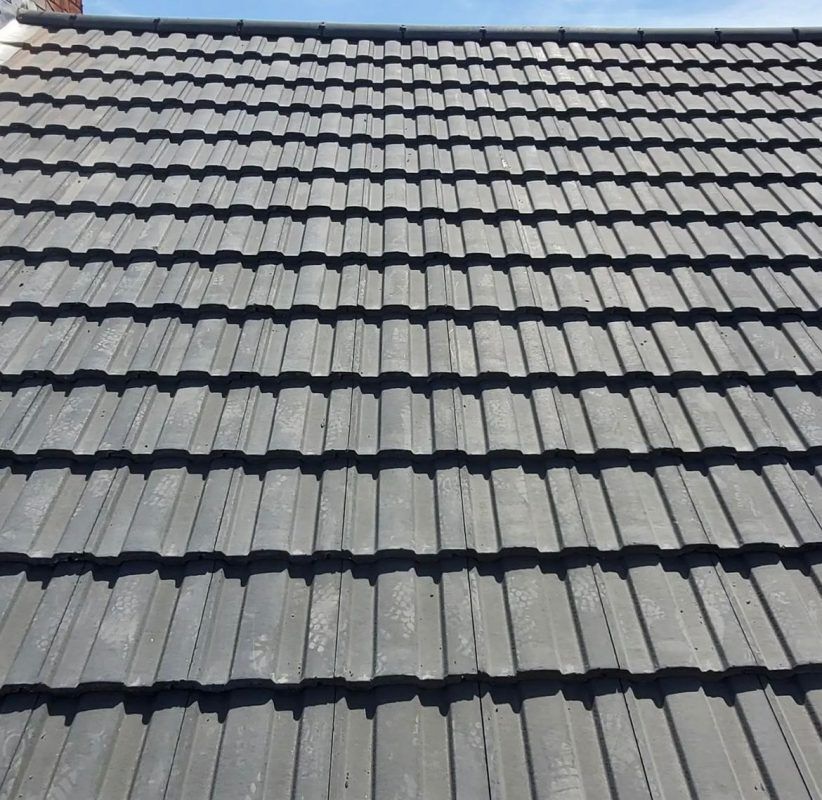
The price difference between materials is substantial. Traditional slate tiles cost more than concrete interlocking tiles due to manufacturing methods and the skilled craftsmanship required to cut and secure them. For flat roofs, classic felt is generally cheaper upfront, whereas premium EPDM rubber or GRP fibreglass systems cost more but offer significantly longer lifespans.
2. Scaffold Constraints and Property Access:
Under the UK's strict
Health and Safety Executive (HSE) working at height guidelines, roofing contractors must ensure adequate edge protection is installed for major works. If your house requires a full scaffold surround rather than a simple tower or ladder system, this component can add anywhere from £400 to over £1,500 to the total bill.
3. Latent Structural Damage:
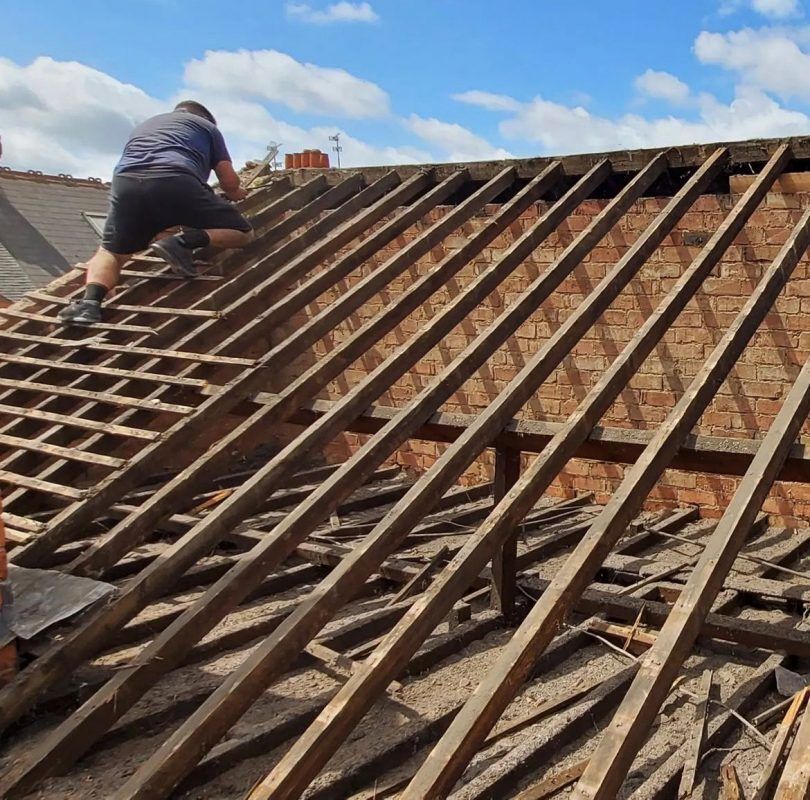
Sometimes, the visible leak is only half the story. If water has been entering your roof space undetected for months, the internal wooden rafters or timber sarking boards may have suffered from dry or wet rot. Replacing compromised structural timbers adds material expenses and labour hours compared to a simple external surface swap.
4. Underlying Damage: Sometimes the visible problem is just the surface. A leaking roof may have caused damage to the timber, felt, or insulation beneath. If we discover anything beyond the original scope, we stop, explain what we've found, and get your approval, with a revised quote before continuing. You're never charged for work you didn't agree to.
5. Your Property Type: Terraced houses with shared party walls are generally quicker to access than detached properties with complex roof shapes. Period properties with traditional materials cost more to repair sympathetically than modern tiled roofs. A Victorian slate terrace in central Cambridge is a different job from a 1970s tiled semi in St Neots.
Pitched Roofs vs. Flat Roof Repairs
The shape of your structure heavily influences both the common faults that occur and how engineers approach fixing them.
- Pitched Roof Challenges: Traditional sloped structures usually experience localised faults like loose mortar on ridge tiles, cracked valley leadwork, or storm-damaged slates. These are frequently solved via highly targeted component repairs.
- Flat Roof Complications: Older flat roofs built with felt often suffer from pooling water, punctures, or UV cracking over time. Because water can travel horizontally beneath a flat membrane, a leak in one corner might be caused by an entry point on the opposite side, occasionally making a full clean strip-and-relay more cost-effective than endless patchwork.
When Do You Need a Partial Repair vs. Full Roof Replacement?
If your roof is repeatedly developing leaks, you might be throwing good money after bad. It is important to weigh the long-term benefits of a modern replacement against ongoing short-term fixes.
Opt for a Repair If:
The structure is generally sound, less than 20 years old, and the issue is localised, such as a single cracked tile, a loose section of flashing, or wind damage isolated to one small area.
Consider a Complete Roof Replacement If:
Your roof is approaching 40 to 50 years old, the tile surfaces are delaminating, or the internal timber structure is showing widespread rot. Investing in a clean
roof replacement eliminates ongoing maintenance bills, ensures compliance with modern insulation standards, and increases your home's resale value.
Repair vs Replacement, When Is It Worth It?
Not every roof problem is a repair job. Sometimes the cost-effective option is replacement rather than patching an ageing roof. As a general guide:
Repair makes sense when:
the damage is localised (a few tiles, a section of flashing), the rest of the roof is in reasonable condition, and the repair will genuinely solve the problem for years to come.
Replacement makes sense when: the roof is reaching the end of its lifespan (30+ years for concrete tiles, 15–20 years for felt flat roofs), problems keep recurring in different areas, or the cost of multiple repairs is approaching replacement cost.
We'll always give you an honest recommendation. If a £300 repair will last another 15 years, we'll tell you. If patching a failing roof is throwing good money after bad, we'll tell you that too.
Get a Free Roof Repair Quote
If you've got a roof problem and want to know exactly what it'll cost to fix, give us a call. The inspection is free, the quote is clear, and there's no obligation.
Call now: 01223 420691
Or request a callback and we'll be in touch within 30 minutes during business hours.
Free inspection, no obligation
Clear written quote, no hidden costs
15-year guarantee on all work
Covering Cambridge, Huntingdon, Ely, Newmarket, Bury St Edmunds, St Neots, and all surrounding areas
Recent Posts